
LED Explosion Proof Light - New-Infinity
Die-cast aluminium explosion proof LED light in 50 W and 100 W outputs, 180 lm/W, IP66 sealing and EN55015 compliance, for oil, gas and chemical sites.
View productShortlisting led street lights manufacturers normally comes down to paperwork rather than promises: module efficacy, surge class, sealing evidence and driver test documents. This guide turns that paperwork into twelve checks and shows how the FLC Series answers each one — 220 lm/W at the module, IP65 sealing, 10 kV surge protection as standard and a 50,000-hour rating. Where a project needs custom led lighting — a colour temperature between 3000 K and 6000 K, a housing finish outside black and grey, or an agreed control protocol — the customization module sets out what changes and what to confirm before the purchase order.
Most roadway orders do not fail at the price stage. They fail in the gap between the quotation and the delivery note, and the gap is almost always a document that was never agreed in writing.
The quotation quotes a number; the crate contains a different one. A luminaire efficacy figure was discussed, a module efficacy figure was shipped. The optic was chosen from a catalogue picture rather than from a carriageway measurement. The surge board was sized for a substation yard, then installed on a two-hundred-metre feeder run at the end of a line. None of these problems appears until the poles are standing and the snag list has been written.
Each of the three failure modes below has a document fix, and every check later in this guide exists because of one of them.
The buyer reads 220 lm/W, the buyer assumes luminaire lumens, and the delivered fitting is 190-odd lm/W at the lens. Nothing is wrong with the product — the reporting basis was never fixed.
Fix it: write "module efficacy" or "luminaire efficacy" into the purchase order, not just the number.A narrow distribution on a wide carriageway produces bright pools under each pole and dark bands between them. The optic was never wrong; it was never matched to the geometry.
Fix it: give carriageway width, mounting height and pole offset before the distribution is selected.The surge class is the first line item cut to hit a target price, and the first component to fail on a long or exposed feeder. It is also invisible in the delivered product.
Fix it: state feeder length and earthing arrangement in the RFQ and price the 20 kV option at the same time.Use the first three columns to score any supplier, including this one. The fourth column is where the FLC Series currently stands — read it as a claim to verify, not as a conclusion.
| Check | Pass signal | Fail signal | FLC Series answer |
|---|---|---|---|
| In-house production | Housing, driver assembly and test bay traceable to one plant | Catalogue-only supplier with no line detail | Die-cast aluminium housing built as one luminaire with a separate driver compartment |
| Driver sourcing | Driver family named and fixed in the order | "Brand depends on stock" | Driver efficiency above 90%, with driver test documents supplied with the order |
| Test documentation | Electrical and photometric reports released before the PO | Reports promised "after shipment" | Driver and luminaire test documents are supplied with the order — ask to see the format at quotation stage |
| IP rating evidence | Seal design explained, not just badged | IP number with no sealing detail | IP65, sealed with a compression gasket around the lens frame |
| In-house photometry | A distribution file per optic, not one generic file | The same file offered for every road type | Type II medium and Type III wide distributions, both on a 145° × 75° asymmetric field |
| Tooling ownership | Factory owns the die and the bracket tool | Rebadged imported body | Four power steps from one shared housing, bracket and driver family |
| MOQ | Stated per model and per finish | "Contact us" with no range given | Black and grey are standard housings; other colours are made to order, so confirm the quantity per finish in writing |
| Lead time | A delivery week written into the PO | A vague week range with no start date | Standard black or grey and made-to-order colours run on different schedules — fix the week against your specified finish and control protocol |
| Warranty terms | Named coverage for driver, module and housing | One blanket sentence covering everything | Request a written term that covers the driver compartment and the LED board separately |
| Spare parts | Driver part number listed in the order documents | No service route after installation | Separate driver compartment — ask for the driver part number and replacement route with the order |
| Certification scope | Report numbers you can look up | Unnamed "certificates available" | EN55015 EMI compliance, with test documents supplied with the order |
| Reference installations | Installed sites at your mounting height and road width | Logo wall of unrelated projects | Ask for a pole-mounted install that matches your carriageway width before committing — and walk away if it cannot be produced |
The single most useful skill in this category is knowing which point on the light path a number was measured at. Here is the fragment buyers argue about, with the reference figures alongside it.

Worked example — arithmetic only, not a wattage claim. Take a module rated 220 lm/W. A 150 W module therefore produces 150 × 220 = 33,000 module lumens.
Allow 10–15% for lens transmission and thermal loss and the luminaire delivers roughly 28,000–29,700 lumens, which is about 187–198 lm/W at the luminaire. That is still a strong fitting — but it is not 220, and the difference is exactly what a quotation can hide.
Power factor above 0.95 keeps current draw in phase with voltage when hundreds of points share one long feeder, and driver efficiency above 90% keeps losses inside the pole rather than in the cable. Total harmonic distortion is described qualitatively in the product literature, so if a supplier quotes a hard percentage, ask for the test report that produced it.
Two distributions and two mounting arrangements cover most roadway work. The choice is decided by the road, not by preference — and it is decided before the quotation, not after.
The medium throw suits narrower carriageways where poles sit close to the kerb and spacing is tight. Light is pushed forward and across the running surface rather than wasted behind the column. On a residential street this is usually the better fit of the two.
The wide throw covers broader carriageways and dual running lanes from taller poles, letting you hold spacing without dropping into dark bands between columns. Both distributions are built on the same 145° × 75° asymmetric field, with a recessed lens to hold glare down near windows and junctions.
To confirm the distribution, send three numbers: carriageway width, mounting height and pole offset from the kerb. Those three values resolve Type II versus Type III in a single pass.
Configuration is a trade, not a free menu. Each option below is available on the FLC Series, and each one moves something else in the order.
Colour temperature is selectable across the 3000–6000 K range and fixed per project. A warmer setting reads better on residential and heritage frontages; a cooler setting is the usual choice on high-speed carriageways where perceived brightness matters.
Decide it before the optic is confirmed — the two are specified together.
Black and grey housings are standard. Any other colour is made to order, which changes the batch size and therefore the delivery week.
If the finish is decorative rather than functional, price the standard colours first to see what the custom run is actually costing.
The luminaire is ready for scheduled dimming and remote monitoring, with the control protocol agreed per project. Nothing is pre-committed, which means the protocol must be named in the RFQ — not assumed from a previous scheme.
Name the head-end system and the interface you expect on the pole.
Four power steps share one housing, bracket and driver family. A late change of wattage on part of a route therefore does not invalidate the pole detail or force a second spare-parts line.
Order the whole route from one housing family and keep a single driver part number in the maintenance file.
Four common roadway situations, mapped onto FLC Series specification decisions, followed by the information that turns an enquiry into a priced, comparable quote.
Narrow carriageway, poles close to the kerb, houses on both sides.
Specification direction: Type II medium distribution, 3000–4000 K, 10 kV surge, standard black or grey housing.
Buyer decision: fix the optic by pole spacing, then hold one wattage across the whole street to simplify spares.
Wide running surface, long spacings, high traffic volumes.
Specification direction: Type III wide distribution, 4000–5000 K, 20 kV option where the feeder is long or exposed.
Buyer decision: price the surge upgrade in the original comparison so it is not a variation later.
Night-time reduction required, monitoring expected at the head end.
Specification direction: FLC with the control protocol agreed per project, driven from the standard four-wattage housing family.
Buyer decision: name the protocol and the interface before the PO — it is the one item that cannot be changed after delivery.
Poles stay, luminaires change, budget is fixed.
Specification direction: side-entry arm version where an arm already exists, or the post-top/tenon mount for new columns.
Buyer decision: confirm which arrangement every column uses before the order is split into two line items.
A specification that states module efficacy separately from luminaire delivery, the optic matched to your geometry, the surge class in writing, and the test documents that back each figure. Anything you cannot trace back to a document should be treated as unconfirmed.
Send the pack to the contact page, by email to tsgopi@yeah.net, or by phone on 0769-22994574. Bulk and multi-site rollouts are quoted against the same pack.
A quotation built on carriageway width, mounting height and pole offset comes back with the right optic, the right surge class and the right colour temperature the first time. Anything less comes back as a price with the hard questions still open.
Email tsgopi@yeah.net · Phone 0769-22994574
Keep adjacent product options together for a faster catalog comparison.
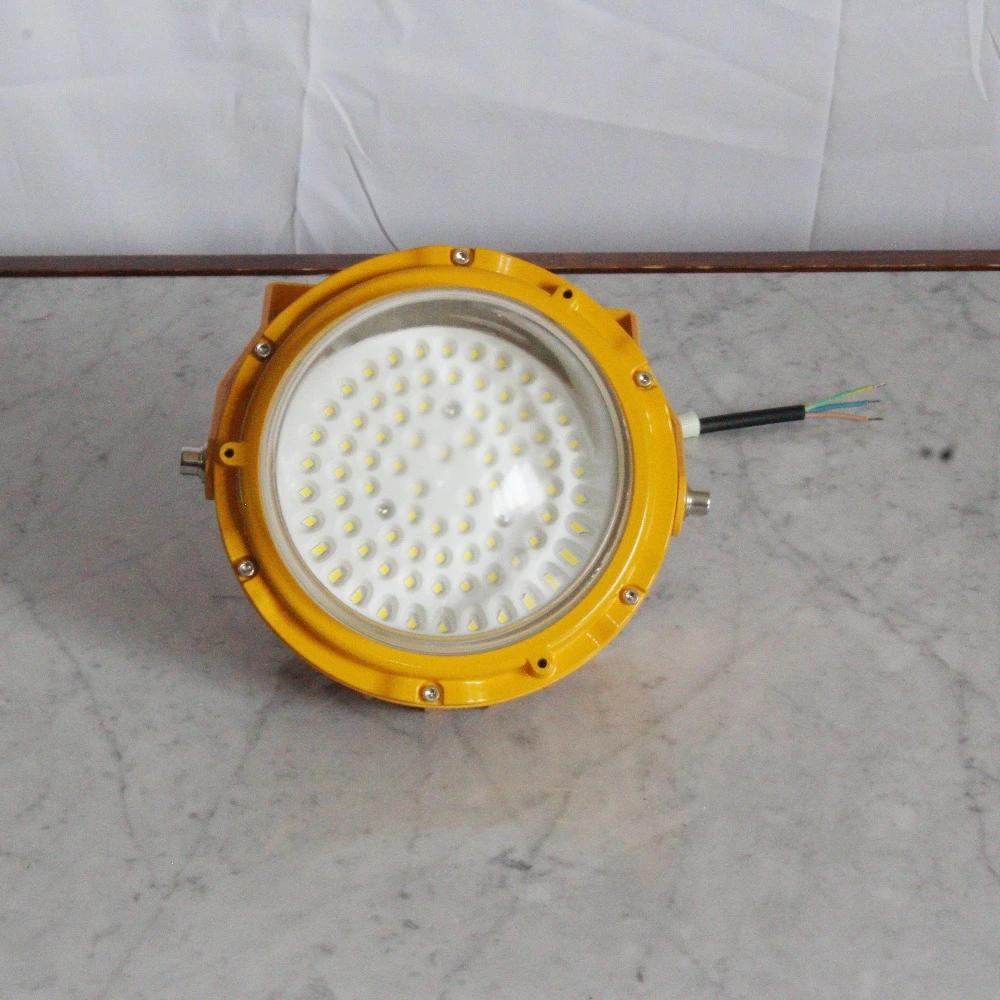
Die-cast aluminium explosion proof LED light in 50 W and 100 W outputs, 180 lm/W, IP66 sealing and EN55015 compliance, for oil, gas and chemical sites.
View product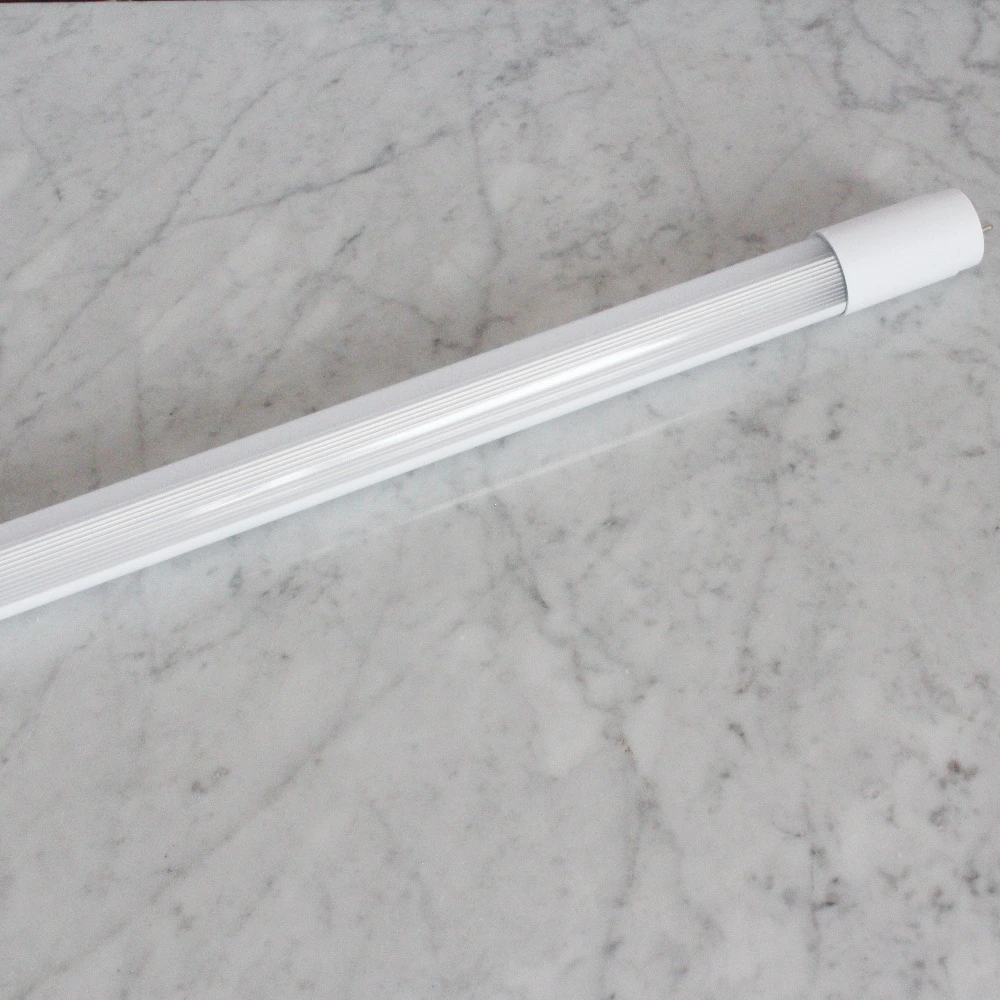
A 200 lm/W G13 LED tube light for commercial retrofits, available in multiple wattages and color temperatures for warehouse and office upgrades.
View product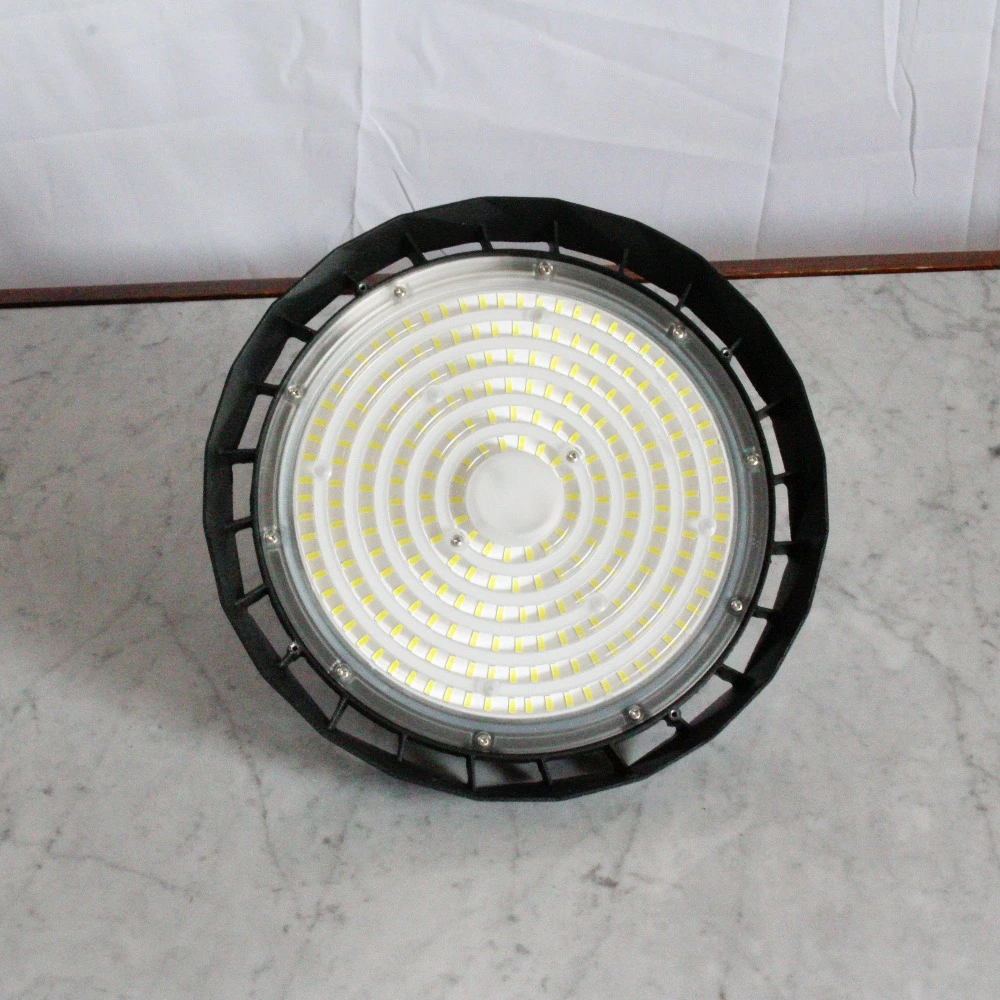
220 lm/W, IP65-rated industrial LED high bay light with 60°/90°/120° optics, wide voltage input and a 5-year warranty for warehouses and plants.
View productthe flc series is rated at 220 lm/w at the module. driver and luminaire test documents are supplied with the order to support the delivered configuration.
two asymmetric distributions are available: type ii medium and type iii wide, both using a 145° × 75° field. the recessed lens helps control glare. provide carriageway width, mounting height and pole offset to confirm the right distribution.
it accepts ac 110–265 v, 50/60 hz, so the same unit can run on 120 v and 230/240 v networks. power factor is above 0.95, driver efficiency is above 90%, and emi compliance is en55015.
surge protection is up to 10 kv, with 20 kv available as an option. the die-cast aluminium housing has a uv-stable finish and ip65 sealing through a compression gasket around the lens frame. the operating range is -20 °c to +60 °c.
colour temperature is selectable from 3000 k to 6000 k per project. black and grey housings are standard, and other colours are made to order. the luminaire is ready for scheduled dimming and remote monitoring, with the control protocol agreed per project.
it mounts by side-entry arm or post-top mount/tenon. four wattages share one housing, bracket and driver family, and the rated life is 50,000 hours.